
Against finding potential pandemics in wild animals
Terrible diseases and where to find them.

We’ve talked about how transmissible vaccine research is like building a bioweapon in public. Now I want to talk about the researchers who are finding potential pandemics in wild animals, figuring out how they work, and publishing that information.
Of course, the researchers don’t have evil intent. They believe it will help us stay ahead of outbreaks. The consequences of research are uncertain and experts disagree about the difficulty of building a bioweapon. Regardless, there are better ways to prevent pandemics.
I don’t want to list a bunch of examples lest I spread dangerous information. The example I’ll discuss here is in a famous journal so I’m less worried about covering it.
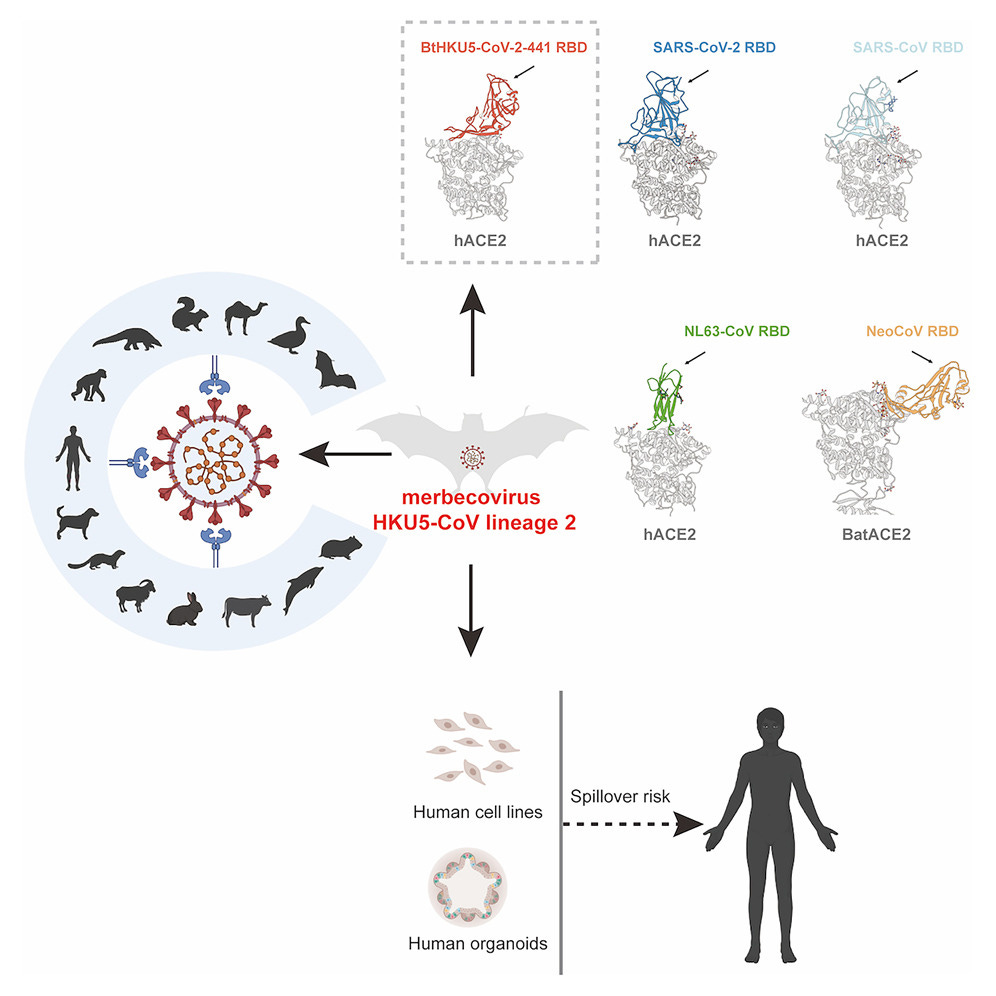
Bat-infecting merbecovirus HKU5-CoV lineage 2 can use human ACE2 as a cell entry receptor was published in Cell, the preeminent journal in biology. This paper looks at bat virus called HKU5-CoV lineage 2 and finds that it can effectively bind to a proteins on human cells. “… HKU5-CoV-2 infected human ACE2-expressing cell lines and human respiratory and enteric organoids.” They identified a circulating disease in bats with the potential to jump to humans and detailed why the viral proteins bind effectively.
This research is risky for a few reasons:
These pathogens are already viable in wild populations and could potentially transmit to humans. They pose a pandemic risk on their own.
They tell people where these pathogens can be found.
They detail why the surface proteins on the virus are effective at binding human cells, making it possible to replicate this in a genetically modified virus.
Better ways to address pandemics
Researchers and grant-makers justify this sort of work as a means to monitor and prepare for real world pandemic threats. Know thy enemy. Fortunately, the attendant risks are completely unnecessary. We can address pandemics via1:
Metagenomic sequencing of wastewater to identify fast growing diseases.
Surveilling diseases in farmed animals. These are huge, densely packed groups that interact with a lot of people.
Far-UVC lighting, upper-room UV, glycol vapors, air filtration, surface sanitation, and PPE can slow the spread.
Phone based contact tracing and rapid testing
mRNA vaccines can rapidly provide herd immunity to the population2.
Effective remote work and remote education
Conclusion
Governments should stop funding pathogen discovery research and gain of function research. I say this as someone who is very optimistic about innovation and trying weird ideas. Studying zoonotic pathogens isn’t worth the risks, we have other ways to mitigate pandemics.
See also this report.
Remember, Moderna designed their vaccine candidate 2 days after Covid was sequenced. With human challenge trials, an effective vaccine could be ready on the order of weeks.